

Keynote speakers
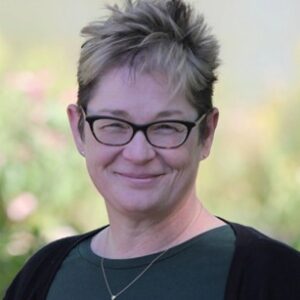
Rachel Freeman, PhD, is Director of State Initiatives at the Institute on Community Integration at the University of Minnesota (USA). For more than 25 years, she has worked in the fields of Positive Behavior Support (PBS), implementation and evaluation of evidence-based practices, and person-centered practices. Rachel Freeman advises state, regional, and local teams implementing Positive Behavior Support systems in schools, organizations serving people with intellectual and developmental disabilities, juvenile justice systems, and mental health systems. She also mentors doctoral students at the University of Minnesota researching the implementation of Multi-Tiered Systems of Support (MTSS) in schools.
For more than 15 years, R. Freeman served on the board of the Association for Positive Behavior Support, including three years as president. She is an associate editor of the Journal of Child and Family Studies, a board member of Arc Minnesota, and a member of the Global PBS Coalition. Her research interests include the implementation of evidence-based practices in organizations, self-injurious behavior, and mixed-methods evaluation.
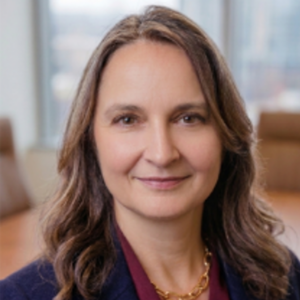
Jennifer Jeffrey-Pearsall, PhD, Associate Director of the Midwest PBIS Network, USA, has more than 25 years of experience in developing positive behavioral support systems in the fields of education, services for people with disabilities, and community-based services.
Jeffrey-Pearsall is one of the members of the Founding Governance Committee of the Global PBS Coalition (GPBSC). She currently also serves on the Board of Directors of the Association for Positive Behavior Support (APBS).
J.Jeffrey-Pearsall’s leadership has contributed to the widespread implementation of PBIS in schools, residential and institutional care programs, juvenile service systems, and organizations providing support to adults with intellectual and developmental disabilities (IDD) and mental health needs.
Conference Workshop Presenters
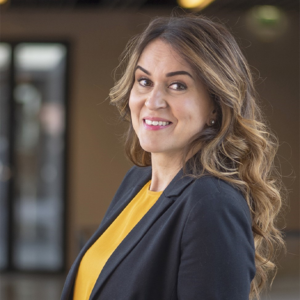
Anne Karhu, PhD, is a lecturer in Special Education at the University of Eastern Finland. Her research interests include Positive Behavior Support (PBS), behavioral interventions, inclusive education, and the implementation and evaluation of support models in schools and early childhood education.
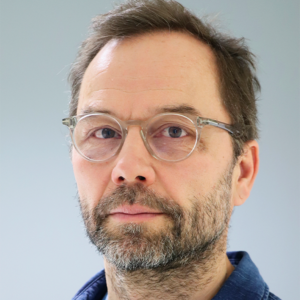
Mika Paananen, PhD, is a neuropsychologist and lecturer in psychology at the University of Jyväskylä (Finland). His research interests include self-regulation, attention, behavioural problems, learning difficulties, and the implementation of evidence-based interventions.
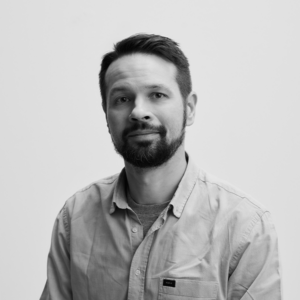
Henrik Husberg is a special education teacher, a doctoral researcher at the University of Helsinki (Finland), and the national coordinator of School-Wide Positive Behavioral Interventions and Supports (SWPBIS) at the Niilo Mäki Institute (Finland). His areas of interest include learning difficulties, executive functions, motivation, and the implementation of Positive Behavior Support systems in schools.
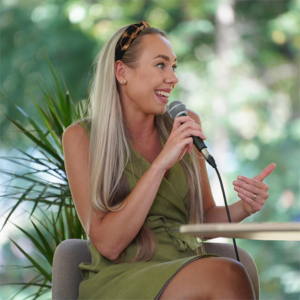
Agnė Motiejūnė is Deputy Principal for Education at Vilnius Antakalnis Progymnasium (Lithuania), where she coordinates the educational process, teacher collaboration, and the implementation of school activities. She contributes to creating a positive, inclusive, and student-centred educational environment and strengthening the school community.
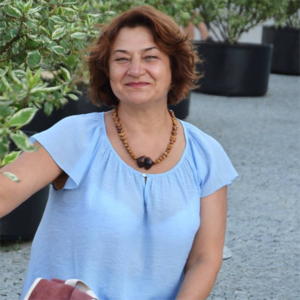
Neringa Kazėnaitė-Piragė is a social pedagogue at Vilnius Antakalnis Progymnasium (Lithuania), providing social and educational support to students and collaborating with teachers, parents, and other support specialists. In her work, she contributes to students’ emotional well-being, positive behavior, and the creation of a safe and supportive school environment.
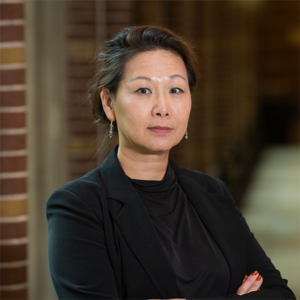
Sui Lin Goei, PhD, is a professor at Windesheim University of Applied Sciences, an expert in inclusive education, Lesson Study, and School-Wide Positive Behavior Support (SWPBS) in the Netherlands. She works at Windesheim University of Applied Sciences and has led research on teacher professional development, behavioral interventions and inclusive education.
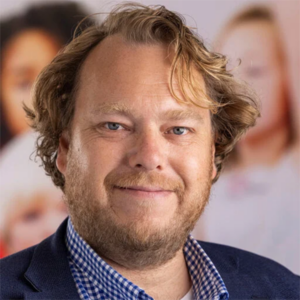
Martijn Willemse, PhD, is an educational scientist, associate professor, and researcher at Windesheim University of Applied Sciences in the Netherlands. His research interests include inclusive education, teacher professional development, civic education, School-Wide Positive Behavior Support (SWPBS) and Lesson Study.
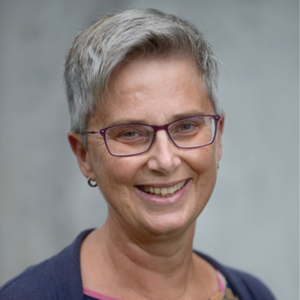
Monique Nelen, PhD, is a researcher at Windesheim University of Applied Sciences (Netherlands) and a consultant at the Positive Behavior Support (PBS) Expert Centre. Her research areas include school-wide Positive Behavior Support (SWPBS), cultural adaptation of the approach, behavior education using the Lesson Study method, and teacher professional development.
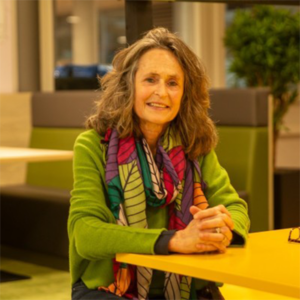
Joke Kamstra is a researcher and consultant at Windesheim University of Applied Sciences (Netherlands) and a staff member of the Positive Behavior Support (PBS) Expert Centre. Her areas of work include implementing Positive Behavior Support systems in schools, creating safe and inclusive educational environments, and improving the pedagogical climate.
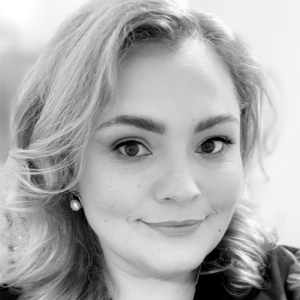
Austė Černiauskienė is a social pedagogue at the Lithuanian Centre for Inclusive in Education. Her work focuses on supporting children with autism spectrum disorder, consulting teachers and parents (guardians, custodians), and strengthening inclusive education. She is a PEPIS facilitator.
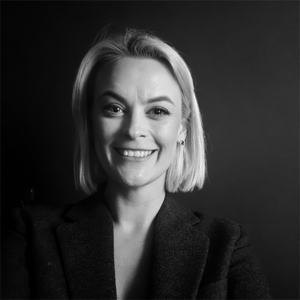
Milda Kryžanauskienė is a social pedagogue working with children with autism spectrum disorder at the Lithuanian Centre for Inclusive Education. Her work includes consulting teachers and parents (guardians, custodians), developing educational recommendations, and strengthening inclusive education.
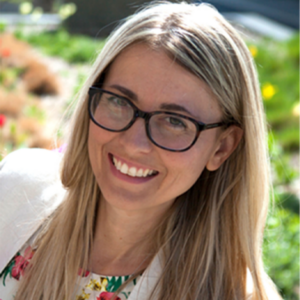
Jessica Simacek, PhD, is a researcher at the University of Minnesota (USA) and Director of the Tele Outreach Center. Her research areas include early interventions, the use of remote services, and support for children with autism spectrum disorder, neurodevelopmental conditions, and behavioral difficulties.
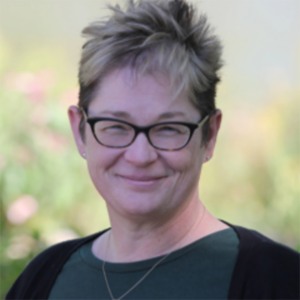
Rachel Freeman, PhD, is Director of State Initiatives at the Institute on Community Integration at the University of Minnesota (USA). For more than 25 years, she has worked in the fields of Positive Behavior Support (PBS), implementation and evaluation of evidence-based practices, and person-centered practices.
Rachel Freeman advises state, regional, and local teams implementing Positive Behavior Support systems in schools, organizations serving people with intellectual and developmental disabilities, juvenile justice systems, and mental health systems. She also mentors doctoral students at the University of Minnesota researching the implementation of Multi-Tiered Systems of Support (MTSS) in schools.
For more than 15 years, Dr. Freeman served on the board of the Association for Positive Behavior Support, including three years as president. She is an associate editor of the Journal of Child and Family Studies, a board member of Arc Minnesota, and a member of the Global PBS Coalition. Her research interests include the implementation of evidence-based practices in organizations, self-injurious behavior, and mixed-methods evaluation.
Dani Dunphy is Program Director of the Community Integration program and a social work instructor at the University of Minnesota (USA). For more than a decade, she has worked in Positive Behavioural Interventions and Supports (PBIS), implementation and evaluation of evidence-based practices, and person-centered services.
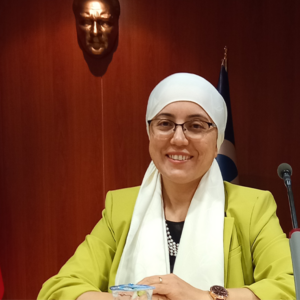
Meral Melekoğlu, PhD, is an associate professor at Eskişehir Osmangazi University and Istanbul University-Cerrahpaşa (Türkiye), working in the Department of Special Education, Faculty of Education. Her professional interests include special education, early childhood special education, education of individuals with intellectual disabilities, teacher and family training, and the application of Positive Behavior Support and interventions.
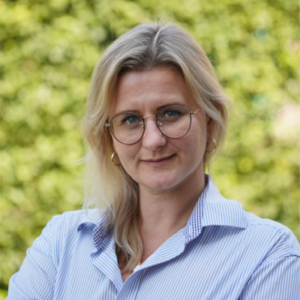
Virginija Juškevičiūtė works at Vilnius Special Nursery-Kindergarten “Čiauškutis” (Lithuania), where she coordinates the Positive Behavior Support and Intervention System (PEPIS) team. Virginija helps implement a consistent system for teaching appropriate behavior that is understood by the entire institution community, provides training, and consults teachers, specialists, and families on PEPIS as well as on various issues related to child development, learning, behavior, and emotions. In her work with children, their parents, and support specialists, Virginija focuses primarily on neurodiversity and creating an environment that supports appropriate behavior, strengthening respectful and safe relationships, analyzing the child’s strengths, interests, and individual needs, and applying evidence-based educational methods and practices.
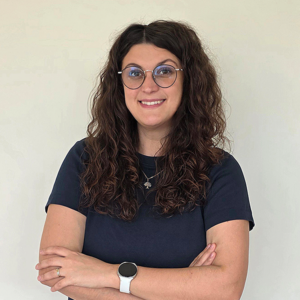
Akvilė Dubovikienė is the PEPIS team secretary at Vilnius Special Nursery-Kindergarten „Čiauškutis“ (Lithuania). Akvilė’s professional work spans several areas, from organising the educational process and coordinating the consistent application of PEPIS practices in the institution’s daily activities to developing individual children’s language, speech, and communication skills. Akvilė develops and implements international staff mobility projects, seeking opportunities to meaningfully integrate PEPIS principles into everyday practice and create education that responds to individual children’s needs.
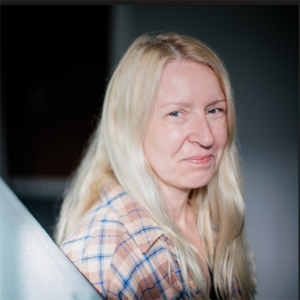
Aušra Lastauskaitė is a social and special education teacher who has worked for many years in Norway with children and young people with special educational needs. In her work, she places strong emphasis on Positive Behavior Support, inclusive education, and collaboration with students, families, and the school community. Aušra also shares her practical experience gained in Norway with the Lithuanian education community and provides consultations to educators.